Find out more about the speakers
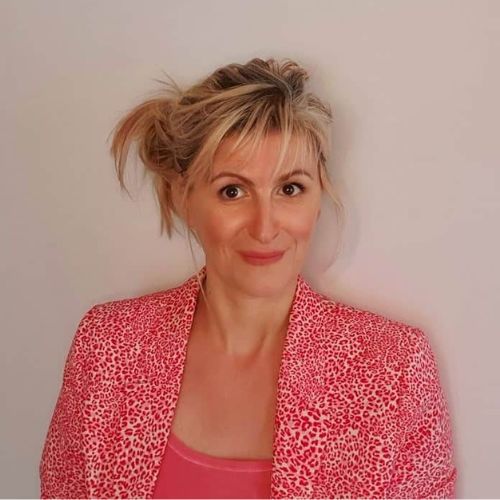
Marie Boëton
Marie Boëton is a journalist. She began her career at the United Nations Press Office in New York. She is now a senior reporter for La Croix L’Hebdo and sits on the French National Human Rights Commission in Paris. She is also the creator of the podcast Les Nouveaux Mandela (France Inter). She has recently investigated the growing shifting attitudes towards democracy and political engagement among French youth for La Croix.
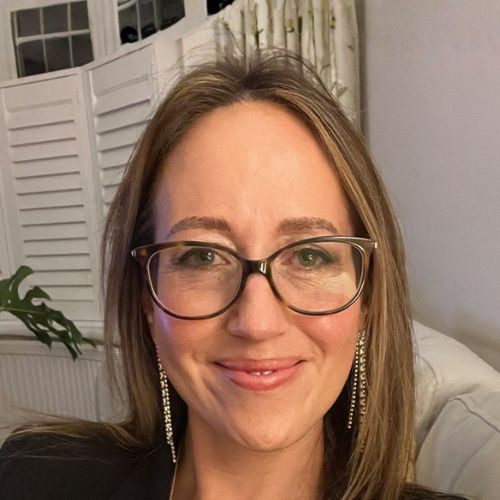
Professor Rosie Campbell
Professor Rosie Campbell is Professor of Politics in the Department of Political Economy at King’s College London. She held positions at Birkbeck and UCL before joining King’s in 2018. She has recently written on barriers to participation in politics, gendered patterns of support for the populist radical right, and what voters want from their elected representatives. Her publications cover voting behaviour, public opinion, the politics of diversity and political recruitment. She is one of two principal investigators of the ERC (UKRI) Synergy Project QUALREP, with Professor Sarah Childs (University of Edinburgh), which aims to measure the quality of women’s political representation in five European countries. Rosie has presented eight episodes of Radio Four’s Analysis, most recently on ‘Does it matter who our MPs are?’
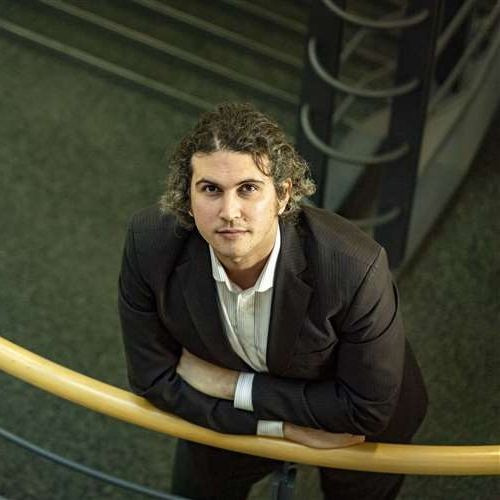
Roberto Foa
Roberto Foa is the co-founder of the Centre for the Future of Democracy at the University of Cambridge and an elected Executive Committee member of the World Values Survey Association. His research examines public opinion, governance, and the use of novel data sources to address public policy challenges. His academic work has been published in a wide range of journals, and cited in publications including The Economist, the Financial Times, The New York Times, The Guardian and The Atlantic.
Cole Stangler
Cole Stangler is a French-American journalist based in Marseille covering politics and culture. He is the author of Le Miroir américain (Les Arènes, 2025) and Paris Is Not Dead (The New Press, published in the UK as Paris Isn’t Dead Yet by Saqi Books/The Westbourne Press). He is a contributor to outlets like The Nation, The New York Times, Foreign Policy, The Guardian and TIME, among others. Cole also teaches classes on the media and French politics at the American College of the Mediterranean in Aix-en-Provence.
Dr Emma Connolly
Dr Emma Connolly is a Research Fellow in the Digital Speech Lab in the Department of Political Science, UCL. Her research focuses on the viral movement patterns of narratives on social media platforms. She is particularly interested in developing innovative mixed-method approaches for exploring viral spread, as well as the political work that virality does, especially in engaging younger audiences. She has experience in collecting and analysing data from X, Instagram, TikTok, and Reddit. She has published with the International Journal of Social Media and Online Communities and the Journal of Information Technology and Politics. She has written for The Conversation on politicians’ use of social media and polarisation in the US, and provided expert insight to global media outlets including France24, The Observer, and Outras Palavras.