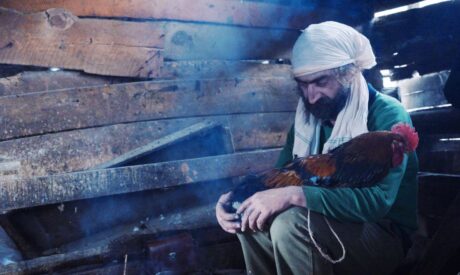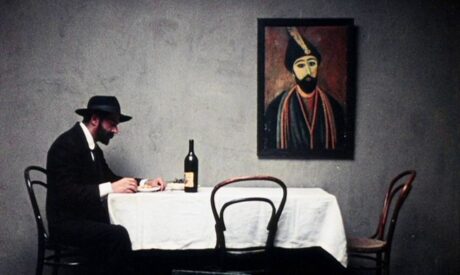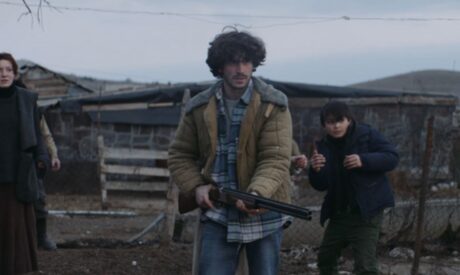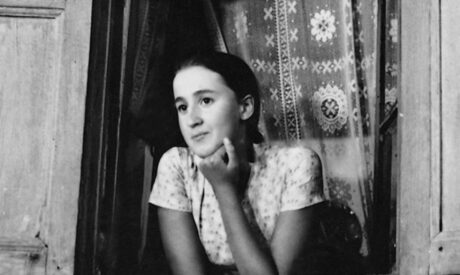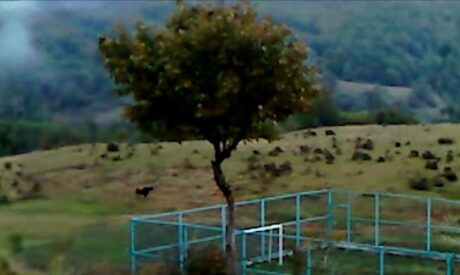
The village has often been at the heart of Georgian cinema. The landscape itself – mountains, rivers, vineyards and isolated villages – have become major characters in the films. Exploring rural and village life offers a way for directors to bypass state interference while still critiquing society. Village settings act as microcosms to explore deeper themes—such as the clash between tradition and modernity, patriarchal pressures, and the psychological isolation of citizens trapped by political stagnation.
Even for urban Georgians desiring European integration, the village still represents family origins, ancestral traditions and cultural authenticity. Today’s filmmakers, often caught up in the ongoing protests and the struggle with authoritarian censorship are forced to shift from traditional, state-backed productions to decentralised, international co-productions and hyper-personal documentaries that often rely on guerrilla filmmaking techniques.
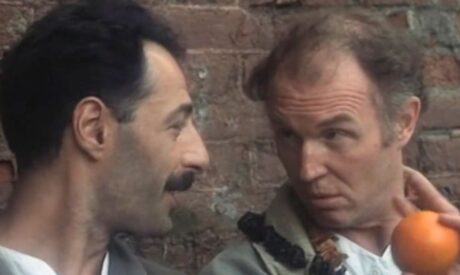
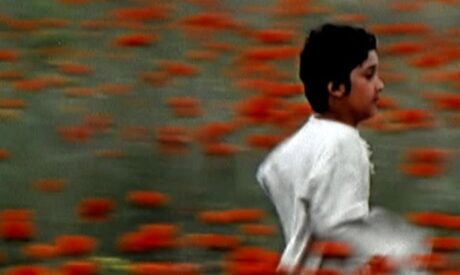
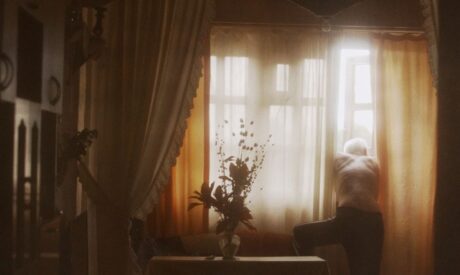
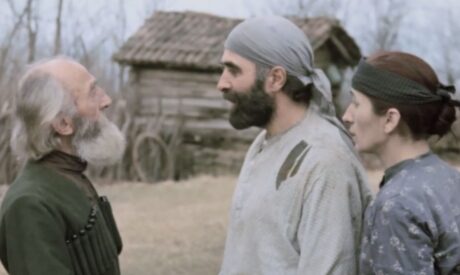
The festival will open with Tengiz Abuladze’s 1976 masterpiece The Wishing Tree, a spectacular mosaic of pre-revolutionary village life, where social conventions and rituals shape people’s destinies. The festival celebrates the director Eldar Shengelaia, who died last year, with 2 of his early films The White Caravan (1963) and Samanishvili’s Stepmother (1977).
Recent award-winning films include Alexandre Koberidze’s Dry Leaf (2025), Ketevan Vashagashvili’s debut feature documentary, 9-Month Contract (2025), and The Kartli Kingdom (2025) directed by Tamar Kalandadze and Julien Pebrel. There will be a screening of Otar Iosseliani’s Pastorale (1975), and Giorgi Shengelaia’s Pirosmani (1969) as part of the Contemporary Films 75 celebrations.
The London Georgian Film Festival, founded by the British Georgian Society in 2005, has been presented by Life Through Cinema since 2010.
1 – 4 Oct
*Receive 15% off when buying 3 tickets together (discount applied automatically at the checkout)